
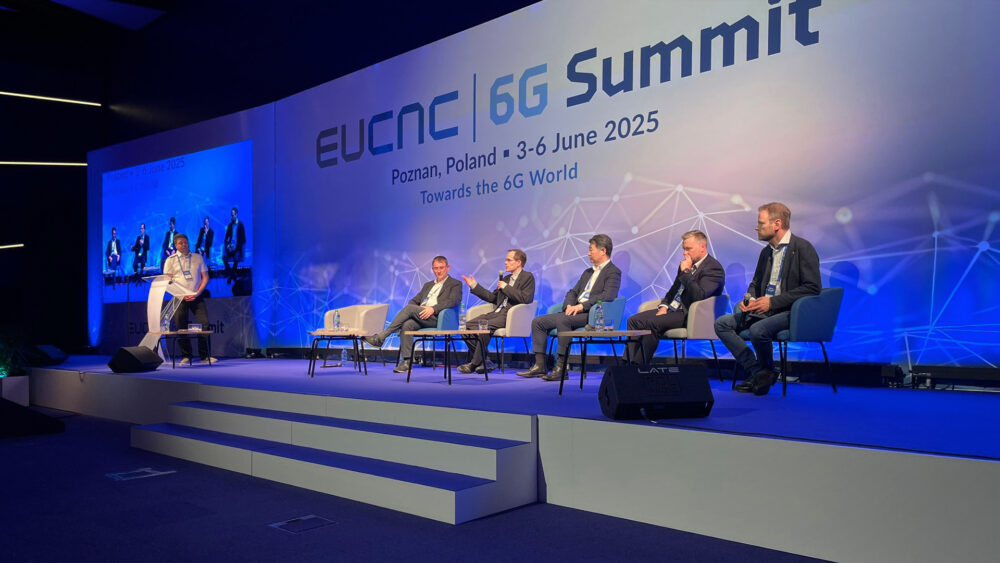
The Hexa-X-II project, Europe’s flagship initiative for the next generation of mobile communication, recently marked a significant milestone at the EuCNC & 6G Summit 2025 in Poznań. The consortium showcased its validated results and system-level progress, firmly establishing its role at the forefront of Europe’s ambitious 6G roadmap.
Launched in January 2023, Hexa-X-II represents the European Commission’s second major push into 6G, building on the foundations laid by the original Hexa-X project. It unites 44 partners across 15 countries, including leaders from industry, research institutions, and public bodies. Their collective aim has been to develop a pre-standardised 6G platform deeply rooted in European values, like sustainability in all three dimensions: environmental, social and economic.
Over its 30-month lifespan, Hexa-X-II has broadened 6G beyond traditional connectivity, weaving computing, intelligence, and sensing capabilities directly into the network. The project has explored cutting-edge radio innovations, AI-native architectures, designs that prioritise energy efficiency, and security features built-in from the ground up, all integrated into a unified system blueprint.
Hexa-X-II’s Voice in 6G Discussions
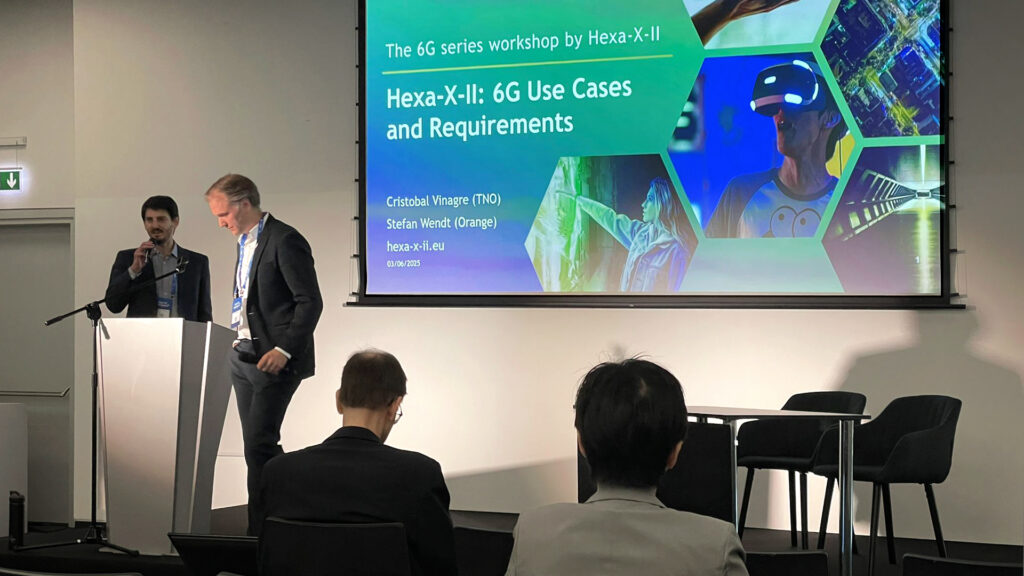
Throughout the EuCNC & 6G Summit, Hexa-X-II leaders and experts actively shaped key discussions, reinforcing the project’s vision for 6G’s future. Mikko Uusitalo, the overall Lead of Hexa-X-II from Nokia, and Patrik Rugeland, Technical Manager of Hexa-X-II from Ericsson, delivered a joint presentation providing an update on the project’s technical work and its global alignment efforts.
During the summit’s panel sessions, Mikko Uusitalo offered Hexa-X-II’s perspective on designing resilient 6G systems. Patrik Rugeland, in turn, contributed to important dialogues concerning next-generation 6G architecture and advancements in radio technologies. The project’s representatives also broadened discussions beyond technical specifics, addressing the economic viability and environmental impact of future networks. Mårten Ericson from Ericsson, representing Hexa-X-II, joined a panel dedicated to critical themes like monetisation and sustainability in 6G. Sylvaine Kerboeuf from Nokia, lead of E2E system view WP in Hexa-X-II, updated on the latest E2E system view, including architectural framework and enablers.
Hexa-X-II Wins Top Exhibition Honour
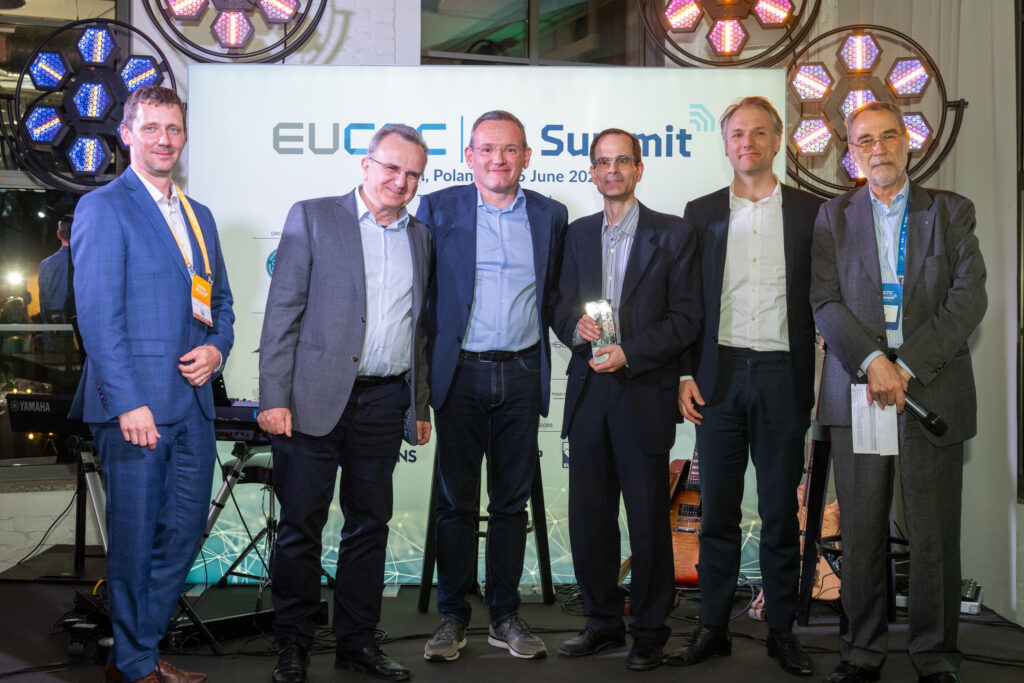
Beyond their strong presence in technical sessions, Hexa-X-II achieved significant recognition at the summit by winning the ‘Best Booth Award’. The accolade speaks to the project’s strong interaction with attendees and its effective demonstration of leading 6G research.
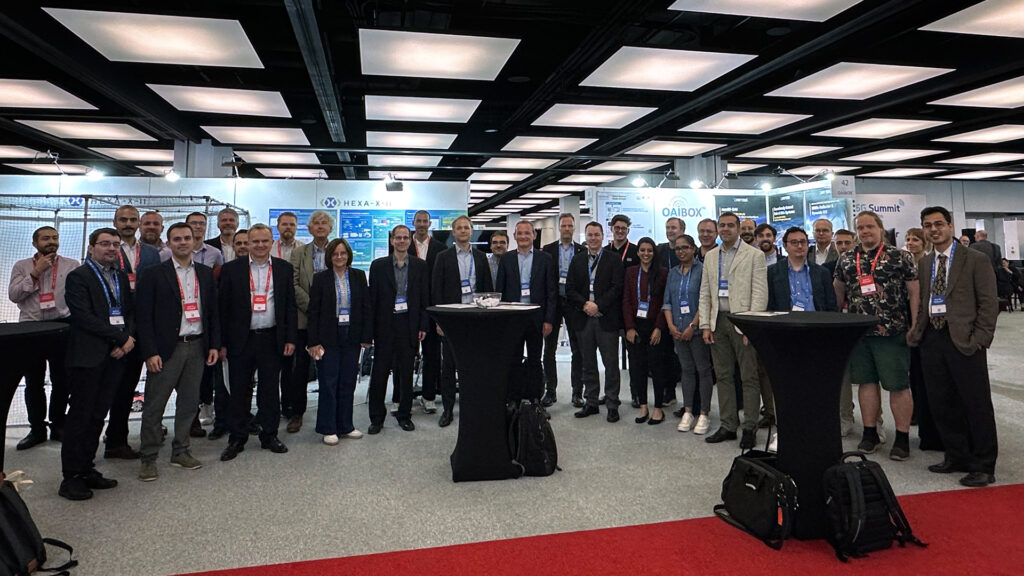
The award was decided by a public vote, with summit attendees casting ballots for the most impressive exhibition booth. Hexa-X-II’s display garnered enough support to secure the top honour. Mikko Uusitalo of Nokia Bell Labs, who heads Radio Systems Research in Finland, expressed his gratitude to the entire Hexa-X-II team. He praised their efforts, noting they were key to the booth’s success and its notable recognition.
Hexa-X-II’s Enduring Legacy
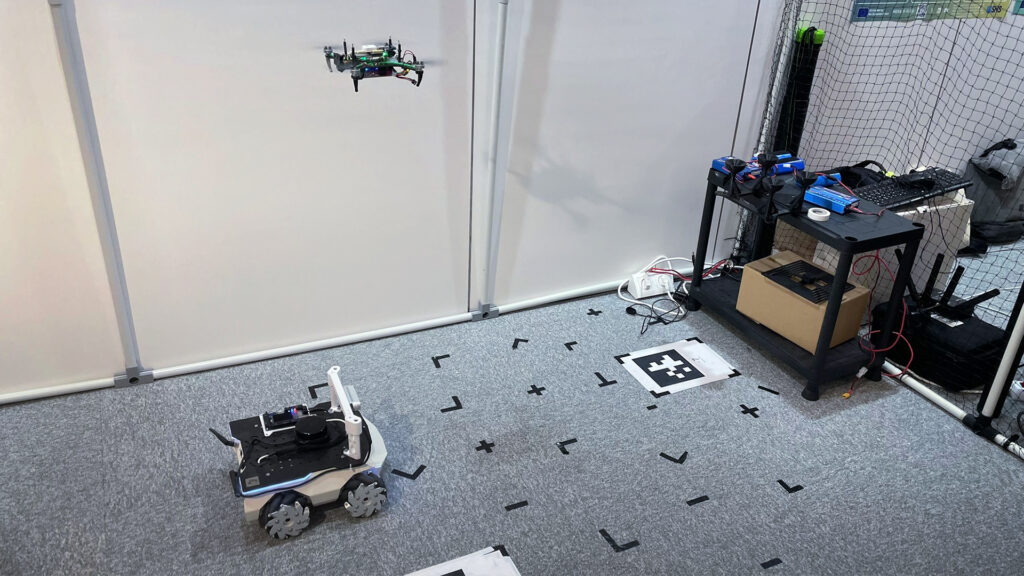
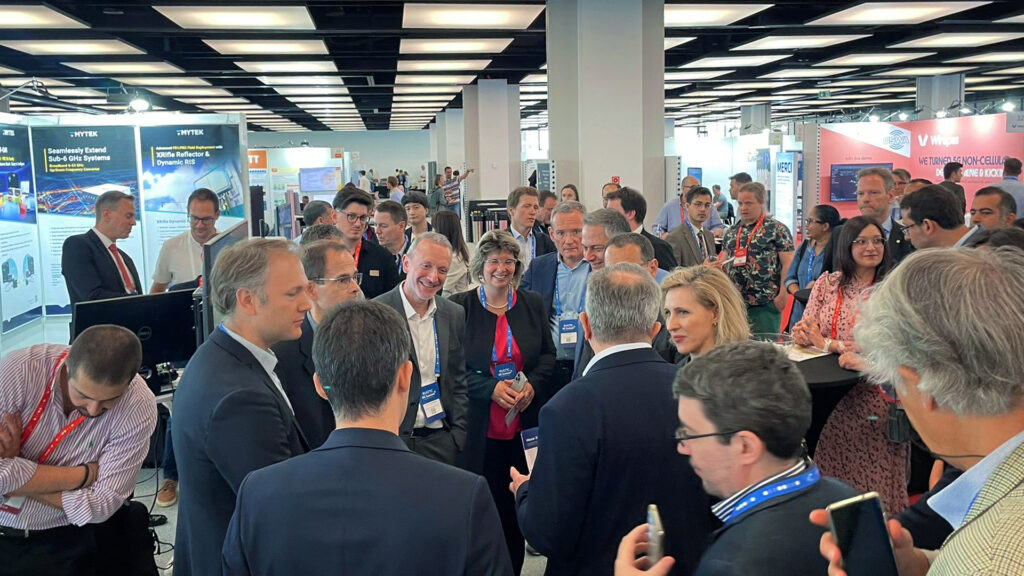
The EuCNC & 6G Summit 2025 hosted Hexa-X-II’s public presentation of progress to global researchers at the late stages of the project. Through live demonstrations and technical sessions, the project illustrated its journey from initial design concepts to validated, interoperable technologies. Project leaders highlighted their system-level achievements, pointing to key enablers now mature enough to inform both European and international standardisation efforts for 6G.
While the summit marked a farewell for the Hexa-X-II consortium in its current form, the knowledge and technologies the project has developed will continue to inform and empower the broader 6G ecosystem. These insights will flow into ongoing initiatives, affiliated projects, and future policy frameworks, ensuring a lasting impact.
Crucially, Hexa-X-II’s ambition extends beyond mere technical results. From its very beginning, the project has prioritised sustainability, inclusivity, and trustworthiness. This has meant addressing energy efficiency, striving for digital equality, and ensuring data privacy alongside technological excellence. These core values have shaped the research directions, collaborative structure, and stakeholder engagement throughout the project.
Hexa-X-II has notably influenced 6G policy and strengthened Europe’s strategic independence in this key technology. The project achieved this by directly connecting its research to major European goals: modernising industries, ensuring digital autonomy, and promoting green innovation. Through public reports, industry partnerships, and contributions to global standards, Hexa-X-II has shaped the direction of future networks. It leaves a lasting legacy, built on strong scientific work and a clear strategic vision.